What Does It Cost to Publish a Children’s Book?
If you’re dreaming about publishing a fully illustrated children’s picture book, you’re likely looking at an investment between:
$9,000 – $12,000
That range includes professional editing, custom illustrations, interior layout, publishing setup, distribution, and production.
For some authors, that number feels grounding. For others, it feels surprising. Both reactions are normal.
Children’s books are unique. They’re short — but they’re highly visual, full color, and detail-driven. The illustration process alone requires careful coordination and creative alignment. Add in industry-standard formatting, metadata, and distribution infrastructure, and you’re building more than a book, you’re building a professionally published product.
Below is a transparent breakdown of what goes into that total, so you can understand exactly where your investment is going and why each step matters.
1. Publishing Services Management
$4,995
This is the project management fee and it’s the backbone of the entire process.
Children’s books have a lot of moving parts:
-
Editing
-
Illustration coordination
-
Layout design
-
Printer specs
-
Metadata
-
ISBN registration
-
Distribution setup
-
Amazon + IngramSpark uploads
-
Production timelines
-
Proof approvals
This fee covers everything it takes to produce, publish, and distribute your book, and more importantly, it keeps you from having to figure it all out alone.
Instead of hiring five different freelancers and hoping they communicate, you have one strategic partner overseeing quality, timelines, and industry standards.
For first-time authors especially, this is where overwhelm disappears.
2.Manuscript review
$150/hour (usually 1–2 hours for a picture book)
Before any editing begins, we evaluate:
-
Is the story age-appropriate?
-
Does the rhythm work when read aloud?
-
Is the word count aligned with industry standards?
-
Are there page turn moments?
-
Does the emotional arc land?
Children’s books are deceptively short — but precision matters. A 500-word manuscript needs to be tight.
This review tells us whether you need developmental editing, light refinement, or are ready for production.
3.Conceptual Development (When Needed)
$150/hour
Sometimes the story is strong — but the concept needs sharpening.
This might include:
-
Clarifying the takeaway or theme
-
Adjusting structure for pacing
-
Strengthening character voice
-
Refining the target age range
In children’s publishing, clarity wins. A focused concept makes illustration stronger and marketing easier later on.
4.Proofediting
$0.02 per finished word (usually $50–$100)
This is the final polish.
Typos in a children’s book damage credibility fast — especially if your audience includes teachers, parents, or librarians.
Proof editing ensures:
-
Grammar is clean
-
Dialogue flows naturally
-
Repetition is intentional (not accidental)
-
Everything is technically sound before layout
Once illustrations begin, changes become more expensive — so we make sure the manuscript is locked in properly.
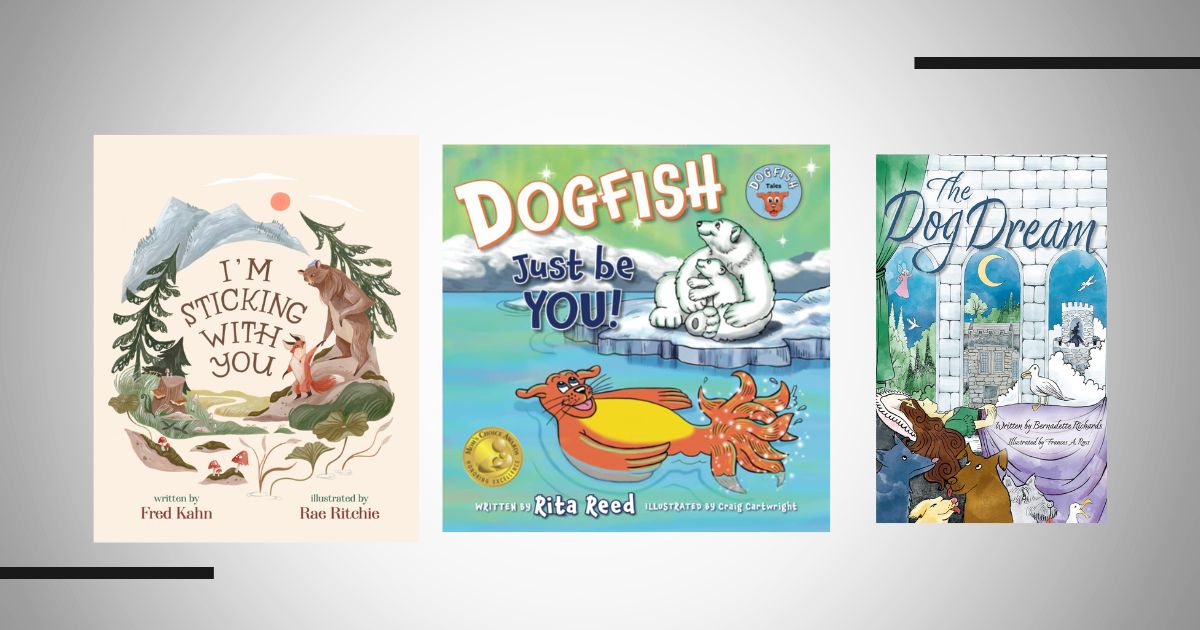
5. Illustrations
$3,000 – $6,000 for a fully illustrated picture book
Illustration is often the largest investment — and for good reason.
In a children’s picture book, illustrations are the storytelling.
The cost varies based on:
-
Complexity
-
Number of spreads
-
Detail level
-
Artist experience
We help:
-
Vet illustrators
-
Match art style to audience
-
Coordinate contracts
-
Oversee revision rounds
-
Ensure print-ready file specs are correct
The right illustrator doesn’t just draw your book — they bring it to life.
6. Interior layout
Approximately $850
Layout is more technical than most authors expect.
We’re working with:
-
Bleed settings
-
Trim size
-
Page count multiples
-
Color calibration
-
Font readability
-
Spine width calculations
Children’s books are typically full color and require very specific printer formatting.
You’ll receive a layout preview before final approval, so nothing goes to print without your sign-off. Most files are created to be compatible with the most common print-on-demand printers—Amazon and IngramSpark.
7. ISBNs
$125 for one / $295 for 10 (or free option available)
An ISBN identifies you as the publisher of record.
Owning your ISBN:
-
Gives you full control
-
Keeps your book portable between platforms
-
Protects your publishing independence
- You retain your distribution rights and sales rights
Free ISBNs exist — but they limit flexibility. I do not typically reccomend them to my authors.
8. CIP Data Block
$195
This is one of the most misunderstood — and valuable — elements.
CIP (Cataloging-in-Publication) data:
-
Places your book into WorldCat
-
Makes it easier for libraries and bookstores to order
-
Adds professional credibility
If you want your book to be library-friendly, this matters. We use a trusted vendor to create the CIP block and as your publishing consultant I will ensure it goes into your copyright page before layout.
9. Additional file formats
Ebook Conversion: $100
Hardcover Conversion: $150
Once your paperback files are complete, you may choose to expand your book into additional formats.
Adding formats isn’t just about having options — it’s about widening your reach.
Ebook formatting allows your book to be available on digital platforms, increasing accessibility for families who prefer reading on tablets or devices. While picture books are traditionally print-driven, offering an ebook ensures your story can travel further.
Hardcover conversion elevates the perceived value of your book. Hardcovers are especially appealing for:
-
Gift purchases
-
School and library orders
-
Special events and author visits
They feel substantial. Keepsake-worthy. Durable for little hands.
Both formats require specific file preparation beyond the paperback layout — adjusting cover specs, spine width, and platform requirements to ensure everything prints and displays correctly.
Expanding into additional formats is optional — but it’s a strategic way to maximize your book’s presence and longevity.
10. Printing and shipping
Approximately $4.20 per 32-page full-color paperback (Print-on-Demand)
Children’s books are typically:
-
32 pages
-
Full color
-
Premium paper
Print-on-demand means:
-
No bulk inventory required
-
No garage full of boxes
-
Books print as they’re ordered
It’s low risk and scalable.
What Does This Mean in Total?
Most fully illustrated children’s picture books land between:
$9,000 – $12,000 total investment
That includes professional editing, custom illustrations, layout, publishing setup, and distribution.
And yes — that number can feel big. But you’re not just paying to “print a book.”
You’re investing in:
-
Professional standards
-
Longevity
-
Retail credibility
-
Library eligibility
-
High-quality artwork
-
Distribution infrastructure
Ready to publish a children’s book?
If you have a book in you, setup a time to speak with Amanda here: https://calendly.com/amanda-myword/30min
FAQs about Publishing a children’s book
Why are children's books expensive to publish?
Children’s books are typically full color and fully illustrated.
Unlike many adult books, you are investing in:
-
Professional artwork for every spread
-
Color-calibrated printing
-
Specialized layout formatting
-
Premium paper stock
The illustration process alone can range from $3,000–$6,000 depending on style and detail.
Can I publish a children's book for less?
Yes — but it depends on your goals.
You can reduce costs by:
-
Using stock illustrations
-
DIY formatting
-
Skipping hardcover options
-
Avoiding professional project management
However, lower investment often impacts print quality, bookstore eligibility, and long-term positioning.
If your goal is a gift for family, that may be fine.
If your goal is retail distribution or school visits, professional standards matter.
How many pages is a typical children's picture book?
Most traditional children’s picture books are 32 pages, full color.
This page count aligns with printing industry standards and ensures cost efficiency with print-on-demand services.
Do I need illustrations before publishing a children's book?
Yes — for a picture book, illustrations are essential before final layout and print production.
The artwork and text are designed together. You cannot finalize formatting or page flow without completed illustrations.
I reccomend hiring a publishing consultant before engaging with an illustrator as we can ensure you don’t start the process out in the wrong direction with the wrong illustration size.
What is CIP and do I need it?
CIP (Cataloging-in-Publication) data is a metadata block placed on your copyright page.
It helps:
-
Libraries catalog your book
-
Bookstores order more easily
-
Your book appear in WorldCat
If you want your book available to libraries, CIP data is strongly recommended.
Should I get my own ISBN?
Owning your ISBN gives you:
-
Full publishing control
-
Portability across platforms
-
Independence from third-party distributors
Free ISBNs are available, but they limit flexibility and list the platform as publisher of record.